Genres, Design & What Makes Games Fun
Week 1 • Lecture 2
Genre Tour
Why Genres Matter
- Shared vocabulary for players and developers
- Set player expectations
- Define design patterns and conventions
Platformer
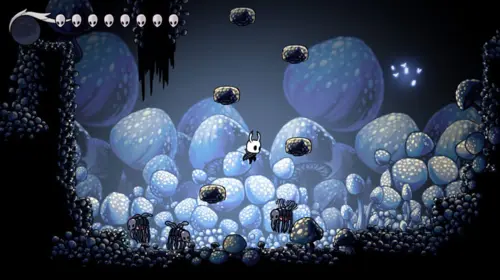
Core
Jumping & Movement
Challenge
Timing & Precision
Mastery
Level Knowledge
Examples: Super Mario, Celeste, Hollow Knight, Ori
RPG (Role-Playing Game)
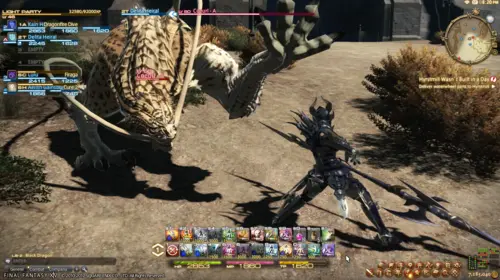
Core
Character Progression
Engagement
Story & Choices
Systems
Stats & Equipment
Examples: Final Fantasy, Skyrim, The Witcher, Persona
FPS (First-Person Shooter)
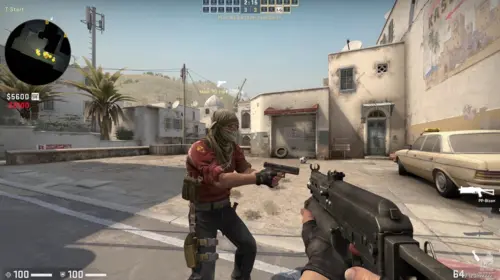
Core
Aiming & Shooting
Skills
Reflexes & Awareness
Feel
Weapon Feedback
Examples: Counter-Strike, DOOM, Valorant, Call of Duty
Puzzle
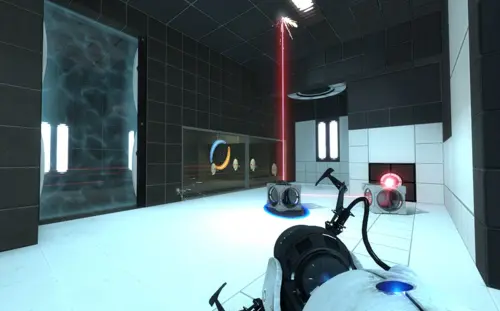
Core
Logic & Deduction
Reward
"Aha!" Moments
Design
Escalating Complexity
Examples: Portal, Tetris, Baba Is You, The Witness
Strategy
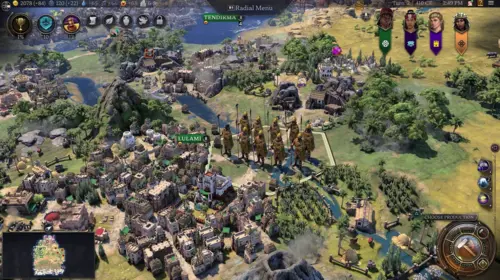
Core
Planning & Decisions
Resources
Management & Trade-offs
Types
RTS, Turn-based, 4X
Examples: Civilization, StarCraft, XCOM, Age of Empires
Roguelike
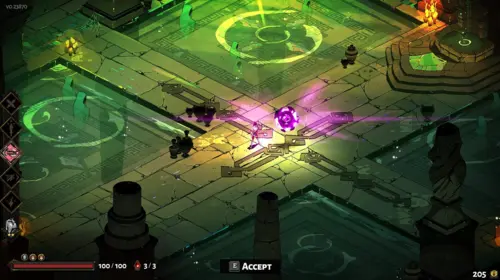
Core
Permadeath
Content
Procedural Generation
Loop
Run-based Progression
Examples: Hades, Dead Cells, Spelunky, Enter the Gungeon
Simulation
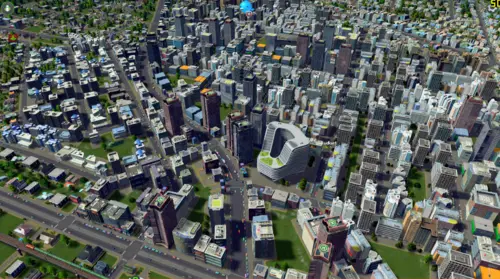
Core
Systems Modeling
Appeal
Expression & Control
Pace
Relaxed, Self-directed
Examples: The Sims, Cities: Skylines, Stardew Valley, Flight Simulator
Horror

Core
Tension & Fear
Design
Atmosphere & Sound
Feel
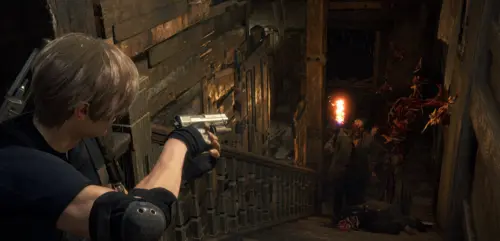
Vulnerability
Examples: Resident Evil, Amnesia, Phasmophobia, Silent Hill
Sandbox
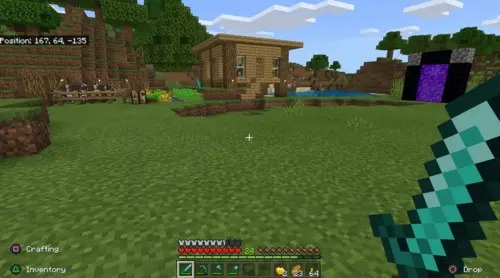
Core
Freedom & Creativity
World
Open Exploration
Goals
Player-defined
Examples: Minecraft, Terraria, GTA, Garry's Mod
9 Core Genres
Genres = Shared Language
"It's like Dark Souls meets Tetris"
Instantly communicates design intent
Genre Blending & Evolution
Metroidvania
Metroidvania
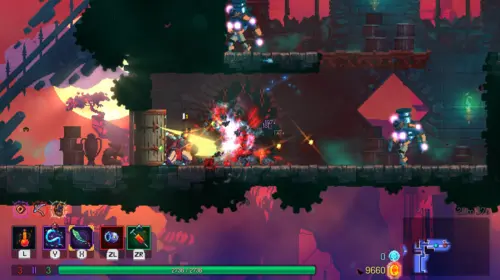
Exploration
Interconnected world
Ability Gating
New powers unlock areas
Backtracking
Revisit with new abilities
Examples: Hollow Knight, Ori, Dead Cells
Souls-like
Souls-like
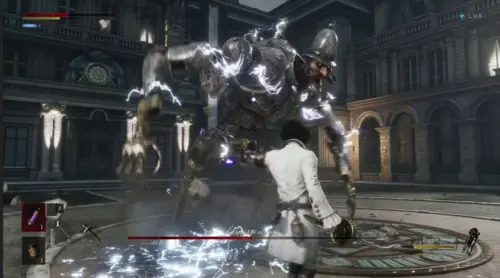
Combat
Challenging & precise
Stamina
Resource management
Pace
Deliberate & methodical
Examples: Elden Ring, Lies of P, Nioh
Deck-builder Roguelike
Deck-builder Roguelike
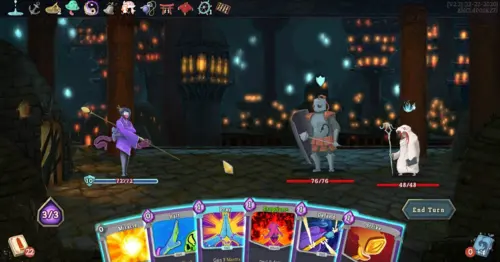
Cards
Build your deck
Runs
Permadeath resets
Synergy
Combo discovery
Balatro (2024) — Poker + Roguelike = GOTY nominee
Live-Service vs Narrative
Both Models Work
Genres Keep Evolving
Why Games Feel Good
What is "Juice"?
The extra that makes actions feel good
What is "Juice"?
Same action, completely different feel
Elements of Juice
Screen Shake
Impact & power
Particles
Visual feedback
Sound
Audio confirmation
Animation
Squash & stretch
Hitstop
Freeze frames
Flash
Color feedback
Resources: Basic Skills for Game Juice | Juice it or lose it (GDC)
Juice in Action
Vlambeer — Masters of game feel
Feedback Loops
↺ Repeat
Feedback Loops
"Just one more..."
Cookie Clicker — Warning: Very Addictive
The Slot Machine in Your Brain
Positive Loop
Success → More success
Snowballing, power fantasyNegative Loop
Falling behind → Catch-up
Rubber-banding, balanceBoth are design tools. Use responsibly.
Risk vs Reward
Risk vs Reward
Tension → Release → Satisfaction
"Earning" Your Rewards
- Easy rewards feel hollow
- Difficult rewards feel meaningful
- The struggle is part of the fun
Flow State

Mihaly Csikszentmihalyi (1934-2021)
"The state of complete absorption in an activity"
The Flow Zone
🎯
FLOW
Just rightAchieving Flow
Clear Goals
Know what to do
Immediate Feedback
Know how you're doing
Balanced Challenge
Skill matches difficulty
Games are uniquely suited to create flow
Dynamic Difficulty
Games that adapt to keep you in flow
MDA Framework
A formal approach to understanding games
Hunicke, LeBlanc, Zubek (2004)
MDA Framework
Dynamics
Emergent Behavior
MDA Example: Chess
Mechanics
Piece movements, capture rules, checkmate
Dynamics
Opening strategies, sacrifices, endgame
Aesthetics
Challenge, competition, mastery
Why Games Feel Good: Recap
- Juice — Satisfying feedback
- Loops — Engagement cycles
- Risk/Reward — Meaningful stakes
- Flow — Perfect challenge balance
- MDA — Design framework
Activity Time
Let's Play!
🎮 Your Mission
- Play 2-3 micro browser games
- Identify the genre(s)
- Find one "feel-good" mechanic
- Be ready to share!
What to Look For
Genre
What type of game is it?
Feel
What makes it satisfying?
Loop
What keeps you playing?
Game 1 — Celeste Classic
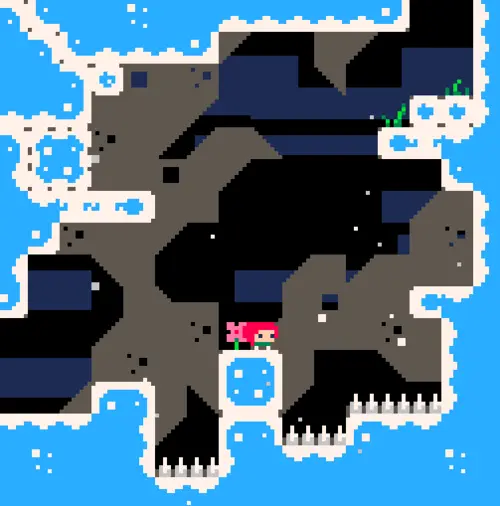
Game 1 — Observe
- How does movement feel?
- What sounds do you notice?
- What makes you want to continue?
Game 2 — Vampire Survivors
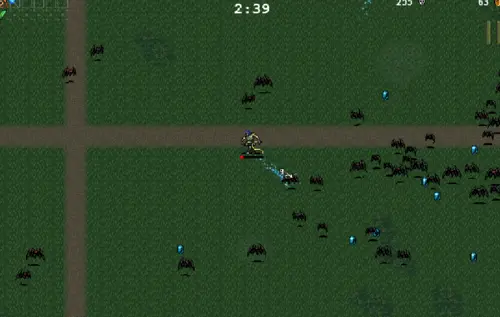
Game 2 — Compare
- How is the feel different?
- Different genre, different expectations?
- What juice elements do you notice?
Game 3 (If Time) — Spelunky Classic
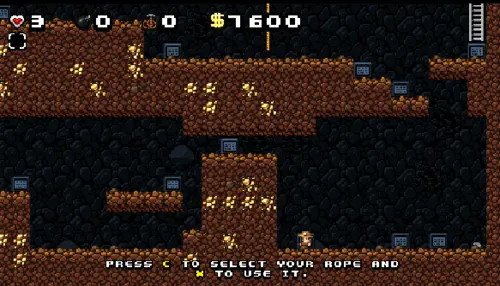
What Did You Notice?
- What genres did you identify?
- What made each game feel good?
- Any juice elements stand out?
- Which game had the best "feel"?
Key Takeaway
Small details create big feelings
You'll implement these techniques throughout the course
Next Time
Engines, Tech & Hardware
Including: Why we chose Godot for this course
See You Next Class!
Questions? Come chat after class.